Hiring a private guide is one of the best things you can do for a trip and one of the few you cannot try before you buy. A hotel has photographs and a hundred floor plans; a guide has a face, a paragraph and some reviews. The good news is that in Spain and Portugal, the two countries where most TravelDaddy partners work today, guiding is a regulated profession with public registers, so a few minutes of checking separates the professionals from the rest. This page explains what a license means, what to ask, what should make you walk away, and what we check before a partner appears on the site. It pairs with our piece on why booking directly with a local guide is different from a marketplace.
What a tour guide license actually means
Spain: regulated by region
In Spain, tourism is a competence of the seventeen autonomous communities, and each regulates guiding on its own. Andalucía, Catalonia, Madrid, the Basque Country, Galicia and the rest keep a register of official tourist guides and issue an identification card, usually after an examination or a recognized qualification plus a language test. A guide accredited in one region can generally work in another after notifying the authority there. The practical consequence for you is at the door of the monument: the Alhambra, the Alcázar and cathedral of Seville, the Mezquita of Córdoba, the Prado and most major sites admit only accredited guides to explain inside, and an unlicensed "guide" will either hand you over at the entrance or whisper. A Spanish partner should be able to tell you which region accredited them and show the card.
Portugal: a national professional card
Portugal regulates guide-interpreters nationally rather than regionally. Qualified guides register with the national tourism authority and carry a professional identification card; the training route is a recognized higher-education course or an equivalent qualification plus languages. Companies that organize tours, transfers and activities register separately as tourism activity businesses, and a reputable one will quote its registration number on request. Guides from other EU countries can work in Portugal under recognition rules, which is why you will meet excellent Spanish and Italian guides in Lisbon and Porto.
What a license does not tell you
A license says the person passed an exam and is allowed inside the monument. It does not say they are warm, punctual, good with children or interesting about anything beyond the syllabus. That is what the questions below are for.
Questions to ask before you book
- Which authority licensed you, and what is the number? A professional answers instantly. In Spain the answer names a region; in Portugal it is a national card.
- Will you personally guide us, or someone from your team? Agencies legitimately use several guides. You simply want to know, and to see that person's credentials too.
- What is included? Entrance tickets, vehicle, driver, tastings, lunch. "Tickets not included" is normal; "we will sort tickets on the day" at the Alhambra or the Sagrada Família is a problem, because both sell out.
- How large will the group be? For a private tour, the answer is "your party". For a small-group tour, ask for the maximum, in a number.
- What are your cancellation terms, in writing? If the answer is a conversation rather than a document or a line on the booking page, keep asking.
- Do you carry public liability insurance? Agencies in both countries are generally required to; individual guides often hold it through their professional association. A guide who drives you should also have the right vehicle licensing, which in both countries is a separate matter from the guide license.
- How do we reach you on the morning? A direct mobile number once the booking is confirmed and paid is the standard; "message us through the app" on the day itself is not good enough.
Red flags that should end the conversation
- A request to pay off-platform: cash on the day for a tour you booked online, a bank transfer to a personal account, or a "discount if you cancel here and book with me directly". You lose the record, the dispute process and usually the insurance.
- No written cancellation terms.
- No license number, or a reluctance to show one. "I have been doing this for twenty years" is not a number.
- Stock photography or group shots instead of a face. A guide who will not show you who they are is often a reseller.
- Prices that are far below everyone else's. A licensed guide with insurance, a vehicle and tickets to buy cannot charge a quarter of the going rate; someone is being left out of the price, and it is usually the guide, the tickets or the law.
- Reviews that all read the same, arrived in the same week, or praise things the tour does not include.
- Pressure. "Only one slot left this month" from a private guide whose calendar you cannot see.
Group size, vehicles and insurance
Three points most checklists skip. Group size changes the product: a private tour is priced for your party and adapts to it; a small-group tour runs to a fixed route and start time, so decide which you are buying before comparing prices. Vehicles are a separate regulated business in both countries: a guide who drives you needs passenger-transport licensing or a licensed driver, and the insurance depends on it. And ask who is insured for what: agency bookings are normally covered by the agency's liability policy; with an individual guide, ask directly.
Verified reviews vs. open reviews
| Open reviews | Verified reviews | |
|---|---|---|
| Who can post | Anyone with an account | Only a traveler who booked and paid for that guide |
| Typical problems | Friends, competitors, incentives, reviews of the wrong business | Fewer reviews, especially for new guides |
| How to read them | Look for specifics: dates, names of places, what went wrong | Read the lowest ones; a platform that shows them is not filtering |
| On TravelDaddy | Not used | The only kind published; never filtered by rating |
A new guide with two verified reviews and a license number is a better bet than a listing with four hundred open ones and a stock photo. Review counts reward time on a platform, not quality on the day.
How TravelDaddy checks partners
We would rather tell you exactly what we do than ask you to trust a badge.
- Application with credentials. Every partner applies with a guide license or a company registration, the cities and languages they work in, a photo and a bio in their own words.
- Approved by a person. A member of our team reviews each application and approves or declines it. Nothing goes live automatically, and we have declined applications that looked fine at a glance.
- Photo rights certified. Partners certify they hold the rights to every photo they upload, including the people in them, before a listing can be submitted.
- Shown as a person. Guides appear by first name and photo. Agencies are not named publicly; the guide who will lead your day is.
- Their own terms, shown before you pay. Each partner publishes their cancellation terms and you see them on the booking page.
- Contacts exchanged after payment. Until a booking is paid, messages go through the platform so there is a record; after it, you and the guide have each other's direct numbers.
- Verified reviews only. Only travelers who booked through TravelDaddy can review, and reviews are never filtered by rating.
Browse the private guides currently listed, filter by city and date, and open any profile; the license region or country is part of what we checked. In Andalucía, where most of our individual guides work today, start with Seville and Granada.
Private tours from approved partners in Spain
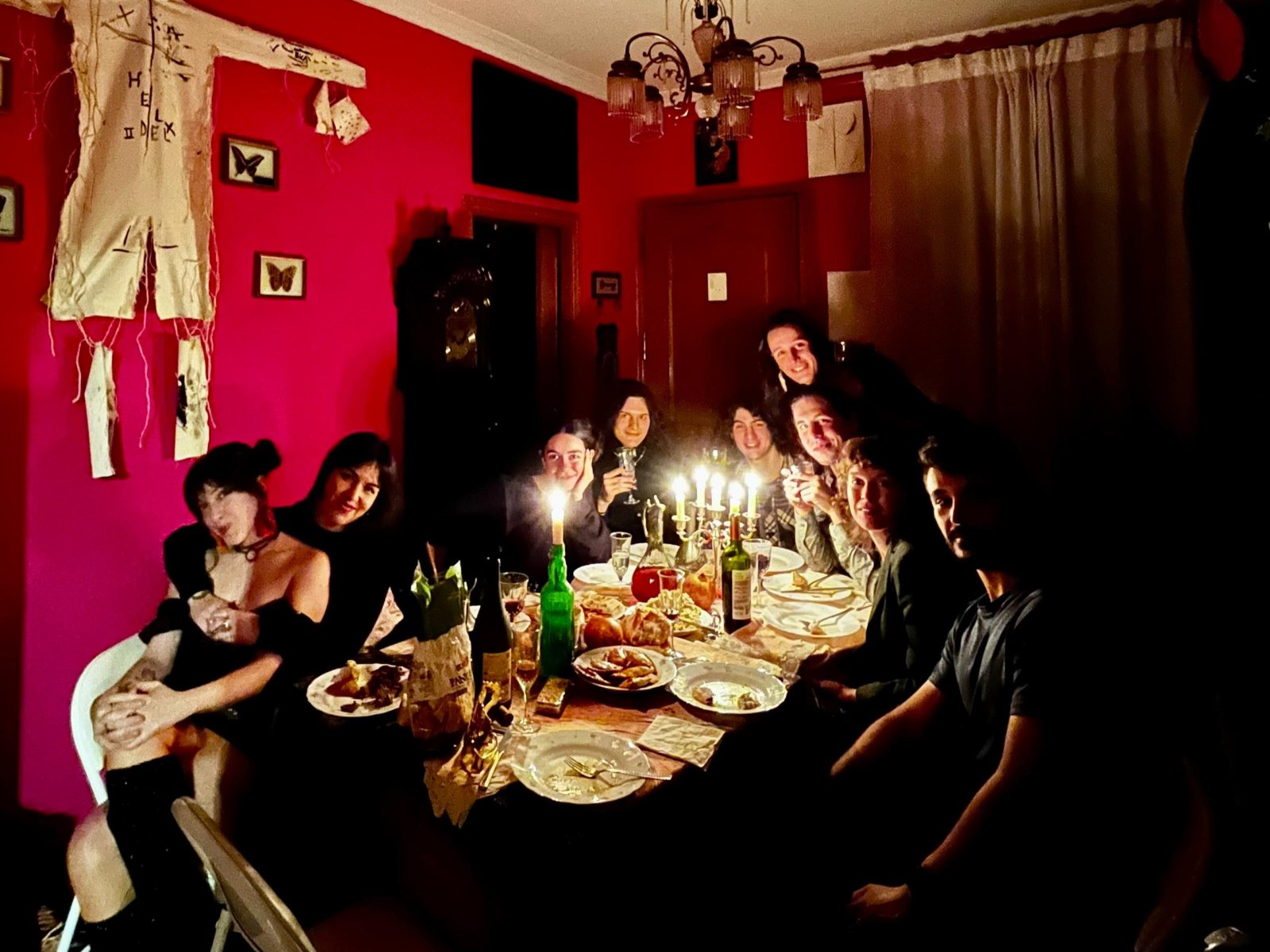 ★ Founding partner
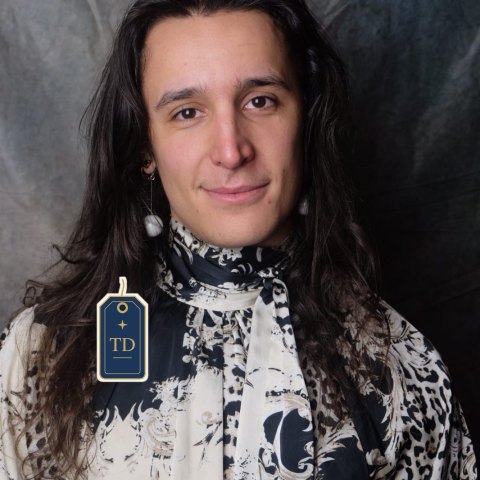 Your guide: Nevis
Art and Gastronomy of Madrid
- ⏱8 hours
- 👥Private tour for 1–10 people
- 📍Madrid, Spain
 ★ Founding partner
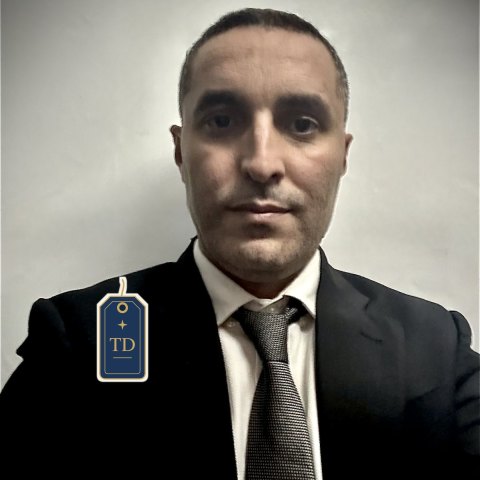 Your guide: Abdellah
Barcelona City Tour
- ⏱4 hours
- 🧭Private driver
- 👥Private tour for 1–350 people
- 📍Barcelona, Spain
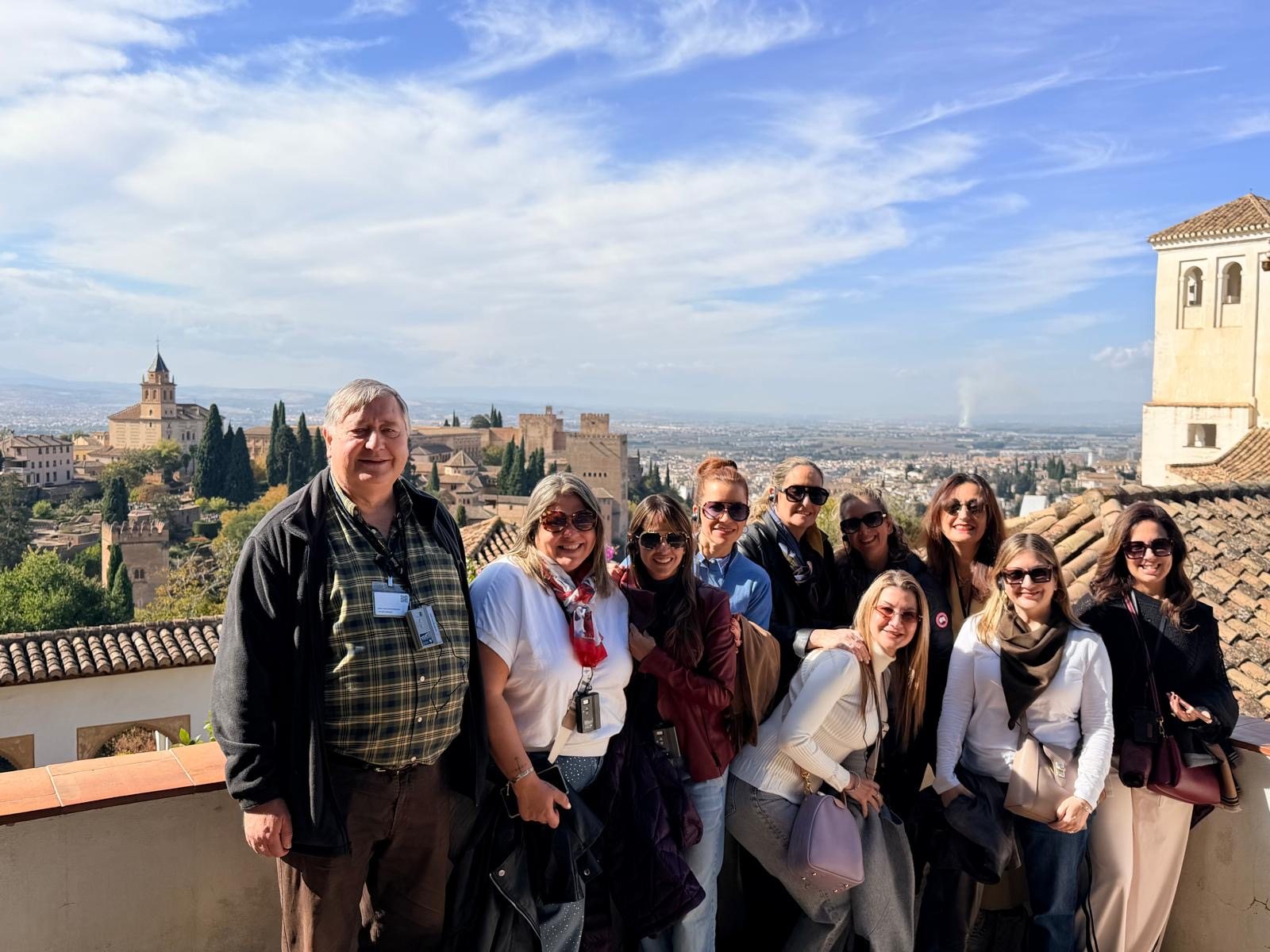 ★ Founding partner HYour guide: Harry
The heart of Granada: private group walk
- ⏱1.5 hours
- 🚶Walking
- 👥Private tour for 1–8 people
- 📍Granada, Spain
Would rather have us find the guide?
Describe the day, the party and your budget. Approved local partners send offers within 48 hours, each with the guide's terms attached; nothing is charged until you accept one and pay.
Name Your Price →Frequently asked questions
Do tour guides need a license in Spain?
For guided visits to the main monuments and museums, yes. Spain regulates guiding region by region: Andalucía, Catalonia, Madrid and the other autonomous communities each keep a register of official tourist guides and issue an identification card, and the major monuments generally admit only accredited guides to explain inside. Walking tours on the public street are treated differently in some regions, which is why "free tour" operators exist. For anything that enters the Alhambra, the Alcázar of Seville or a cathedral with a guide, ask for the regional accreditation.
Do tour guides need a license in Portugal?
Guide-interpreters in Portugal are a nationally recognized profession: qualified guides register with the national tourism authority and carry a professional identification card. Companies that run tours register separately as tourism activity businesses. A Portuguese guide should be able to tell you their card number and a company its registration number.
What is the difference between verified reviews and open reviews?
A verified review can only be written by someone who booked and paid for that guide through the platform showing the review. An open review can be posted by anyone with an account, which includes friends, competitors and people who never took the tour. Open reviews are not worthless, but they need reading with more care. TravelDaddy only publishes verified reviews and never filters them by rating.
Is it a red flag if a guide asks to be paid in cash or by bank transfer?
If you found the guide through a platform and they ask you to pay outside it, yes. You lose the platform's record of the booking, its dispute process and often the insurance cover, and the guide is usually breaking the platform's terms. Paying a guide you found yourself by invoice and transfer is normal; paying a platform-listed guide off-platform is not.
How does TravelDaddy check its partners?
Every partner applies with a guide license or company registration, a photo, a bio and the terms they work on. A person on our team reviews the application and approves or declines it; nothing is automatic. Partners certify that they hold the rights to the photos they upload, only paying travelers can review them, and contact details are exchanged only once a booking has been paid.
More travel tips
Questions about a tour or a request? Email [email protected] or call 1-877-YES-DADDY (toll-free USA & Canada) or +1 786-454-3666.