We get asked this more than any other question by travelers planning a first trip to Iberia, and the honest answer is that you will enjoy both. The useful answer is that they suit different travelers, and the differences are predictable enough that most people can decide after reading this page. The short version: Barcelona is bigger, busier, more architecturally spectacular and more expensive; Lisbon is smaller, slower, hillier, cheaper and easier to feel at home in. Everything below is detail.
Size and pace
Barcelona is a city of about 1.6 million in a metropolitan area of several million, laid out on a grid you can navigate without a map after a day. It feels like a major European capital, which it isn't, and moves like one. Lisbon is a city of around half a million at the heart of a metropolitan area of under three million, built on seven hills (more, if you count honestly) along a wide river mouth. It feels like a port city that happens to be a capital, and it moves at the speed of its yellow trams.
If you like the energy of a big city, long dinners that start at nine, and the sense that there is always another neighborhood to find, Barcelona will reward you. If you prefer to settle into a few districts, sit on a terrace at a miradouro and watch the light change, Lisbon will. Neither is dull; the difference is tempo.
Cost level
Lisbon is generally the cheaper city for hotels, meals, coffee, taxis and public transport, although the gap has narrowed sharply since the late 2010s and central Lisbon in high season is no longer a bargain. Barcelona charges a municipal tourist tax on top of the regional one, and its mid-range hotels in the Eixample and Gothic Quarter are priced like those of Paris or Rome in summer. Where the two cities converge is on private guides and tours: a licensed guide's day costs roughly the same in either country, so the tour line of your budget will look similar wherever you go.
Food
Barcelona's food is Catalan first and Spanish second: pa amb tomàquet, calçots in late winter, fideuà and rice dishes by the sea, vermouth at noon, market stalls at the Boqueria and the quieter Santa Caterina and Sant Antoni markets. Tapas exist but are not the native format; look for a menú del día at lunch and Catalan cooking at dinner. Lisbon eats fish: grilled sardines in summer, bacalhau in a hundred forms, seafood rice, bifanas and pastéis de nata at any hour, with Alentejo wines that are still underpriced. Lisbon dinners start earlier than Spanish ones, which many North American travelers quietly appreciate.
In both cities the best food tour is a private one with someone who shops at those markets, which is why food walks are among the first tours partners list on TravelDaddy.
Day trips: Sintra vs. Montserrat
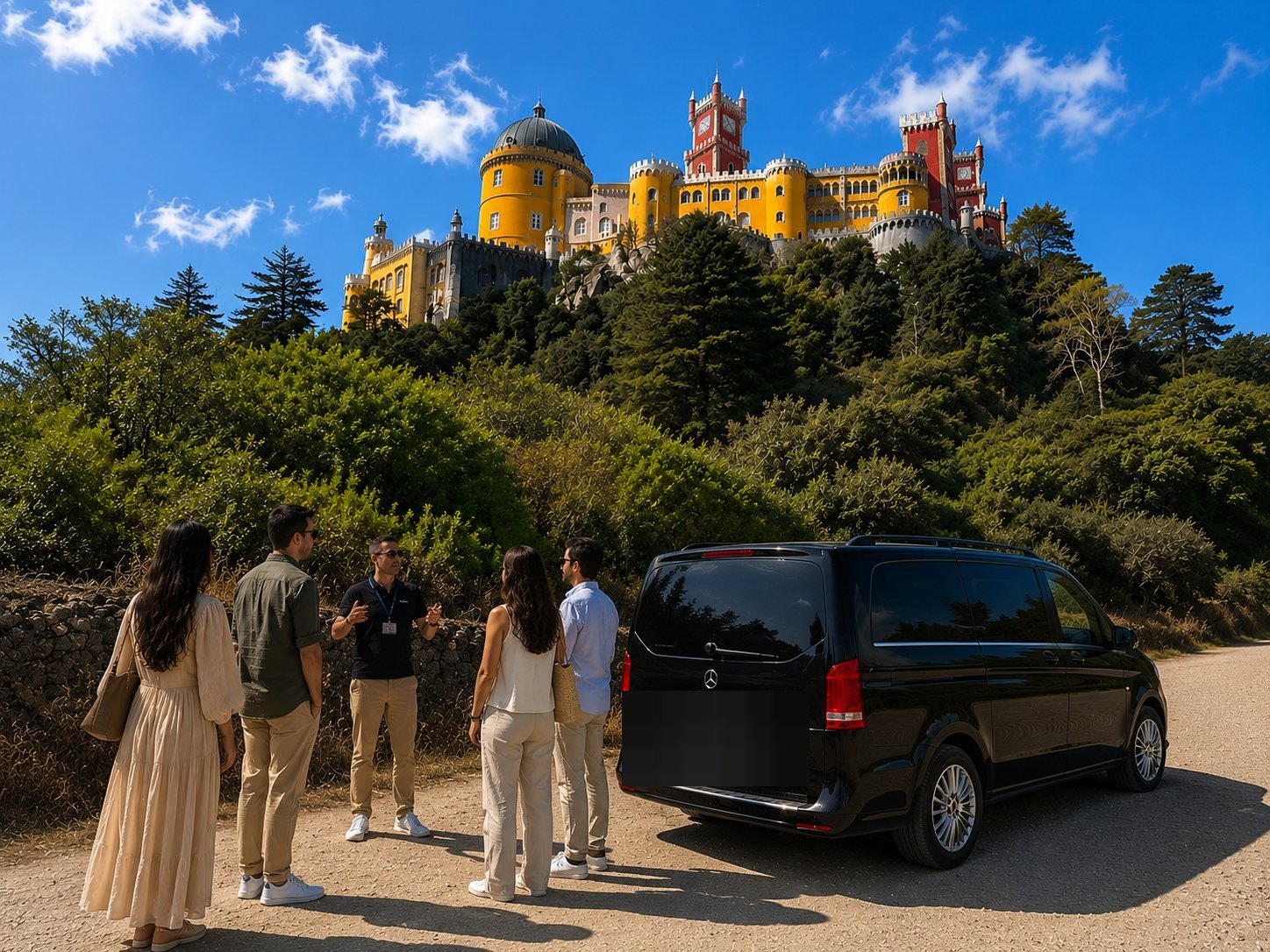
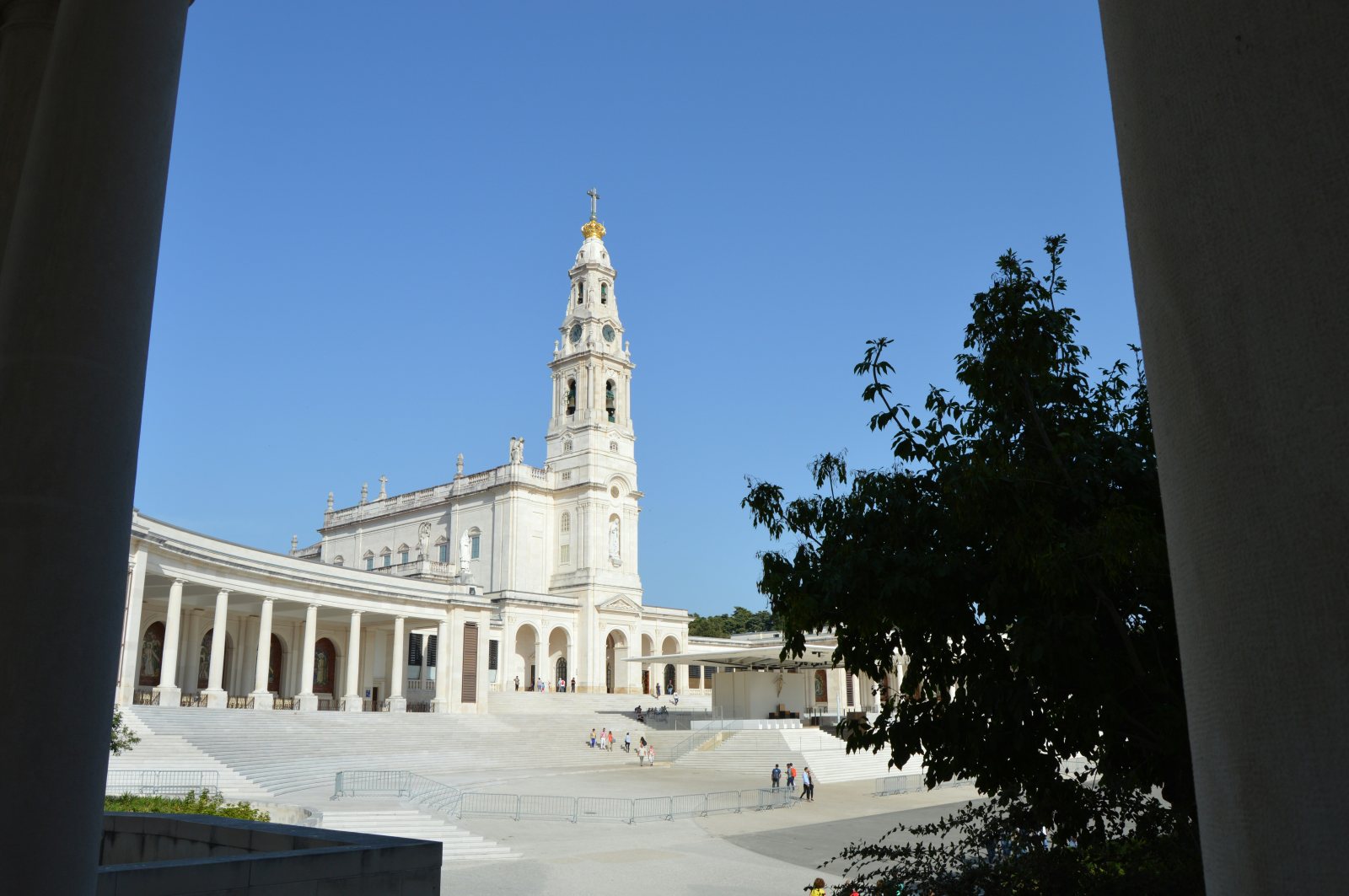
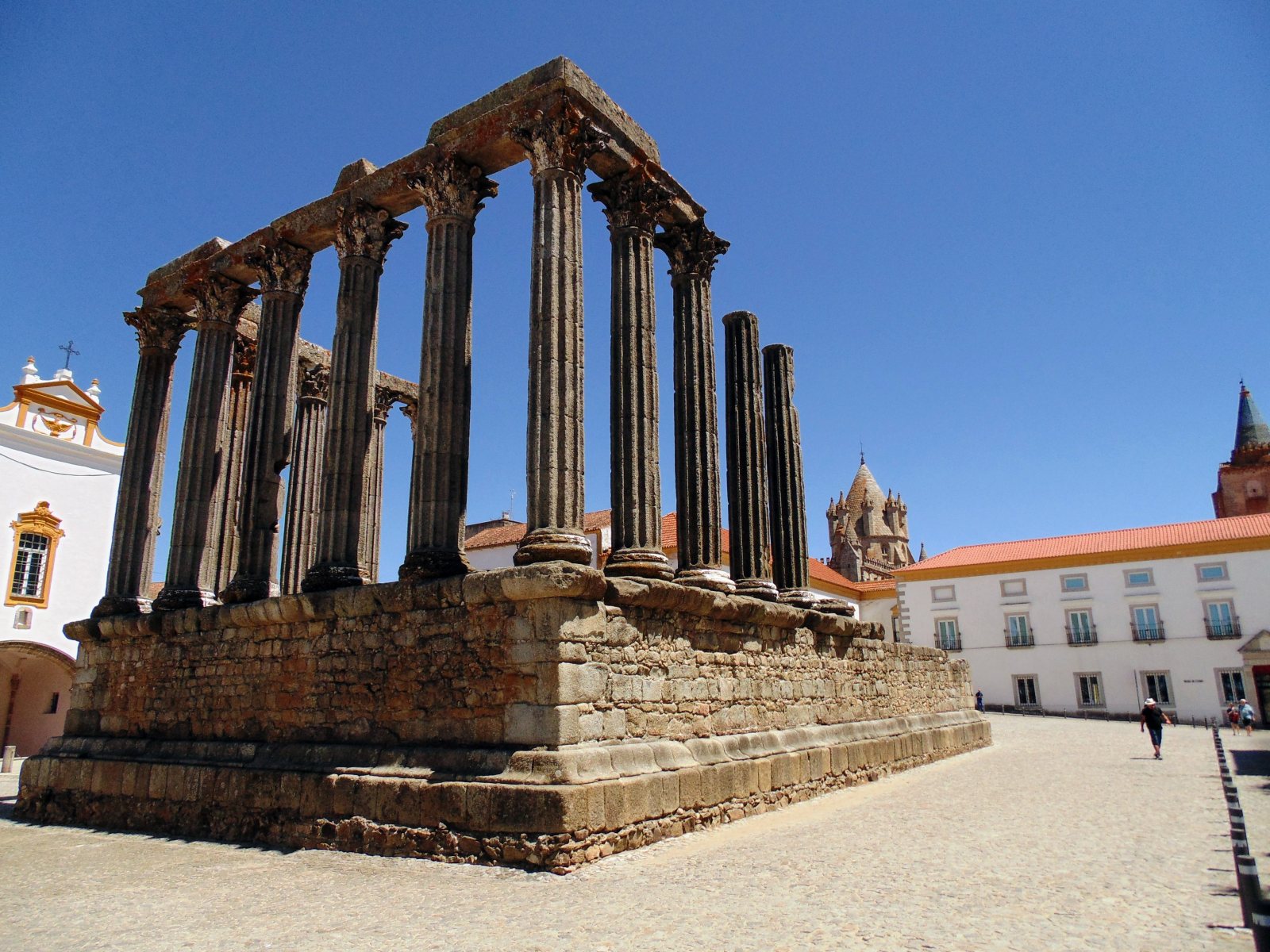
Each city has one essential day trip and several good ones. From Lisbon, Sintra is forty minutes away: a wooded hill of palaces, gardens and a Moorish castle, with the Atlantic cliffs at Cabo da Roca and the beach town of Cascais on the way back. The sights are spread out and the roads are narrow, so the difference between a good day and a long one is a guide with a vehicle who knows the order to visit them in and when to skip the Pena Palace queue. Second-tier choices are Évora, with its Roman temple and Chapel of Bones, and the Fátima, Nazaré and Óbidos loop.
From Barcelona, Montserrat is about an hour out: a serrated mountain, a working monastery with a boys' choir, and walking trails with views to the Pyrenees on a clear day. You reach it by train and then rack railway or cable car, which is part of the appeal; a private driver-guide removes the connections and lets you add a winery on the way back. Girona and the Costa Brava, or the Dalí museum at Figueres, are the other strong options.
Beaches and walkability
Barcelona has a beach in the city. Barceloneta and the strands north of it are busy and urban, but you can swim before lunch and see Gaudí after it. Lisbon's beaches are a train ride away on the Cascais line or across the river at Costa da Caparica; they are better beaches, and they are not in the city.
Both cities are walkable, but differently. Barcelona's Eixample is flat and gridded, and the old city is compact; you will walk a great deal and rarely climb. Lisbon is steep: Alfama, Bairro Alto and Graça are all uphill from the river, and the trams, funiculars and elevators exist for a reason. Travelers with knee or mobility concerns should plan Lisbon around transport, or book a guide with a vehicle for the hilly districts.
Best months
For both cities, April to June and September to October are the sweet spot: warm, mostly dry, and short of the August peak. July and August are hot in Barcelona and busy in both; many Lisbon restaurants close for part of August. Lisbon's winters are mild and often sunny, which makes it the better choice for a November or February trip; Barcelona in winter is pleasant but cooler, with shorter days and some seasonal closures at the beach.
Families and crowds
With children, both cities work. Barcelona offers the beach, Park Güell, the aquarium, Tibidabo and the magic fountain; Lisbon counters with the Oceanário, tram rides, Belém's pastries and monuments, and nearby beaches. Lisbon's hills are the one practical drawback with a stroller.
Crowds are a real factor in choosing. Barcelona has been managing visitor numbers for years: the Sagrada Família, Park Güell and Casa Batlló are on timed tickets that sell out in season, the Boqueria restricts large groups at peak times, and the Gothic Quarter at midday can feel like a corridor. Lisbon is not far behind; tram 28, the Alfama lanes and Belém are crowded by mid-morning in summer. In both cities the remedy is the same: go early, go with someone who knows the side streets, and spend the busiest hours somewhere the tour buses do not.
Decision table
| If you… | Lean Barcelona | Lean Lisbon |
|---|---|---|
| Want big-city energy and late nights | Yes | — |
| Want a slower, smaller, friendlier city | — | Yes |
| Are watching the budget | — | Yes |
| Care most about architecture | Yes (Gaudí, Modernisme) | Good (azulejos, Manueline Belém) |
| Want a beach without leaving the city | Yes | Short train ride |
| Have mobility concerns or a stroller | Flatter | Hilly; use transport or a vehicle |
| Are traveling in July–August | Hot and very busy | Busy, slightly easier |
| Are traveling November–February | Cool, quiet | Mild, often sunny |
| Want the best single day trip | Montserrat (mountain, monastery) | Sintra (palaces, coast) |
| Want to add a second city by train | Girona, Tarragona, Valencia | Porto, Coimbra, Évora |
Private tours you can book now
These are live listings from licensed local guides and small local agencies, each shown by the guide's first name. Prices are for the party or per person as marked; you reserve free, the guide confirms within 24 hours, and you see their cancellation terms before you pay. If you have not booked a private guide before, read how booking directly with a local guide works first.
Lisbon: private tours and day trips
 ★ Founding partner TDRun by a local partner
Sintra & Belém in One Day – Private Tour from Lisbon
- ⏱8 hours
- 👥Private tour for 1–12 people
- 📍Lisbon, Portugal
 ★ Founding partner TDRun by a local partner
Fátima, Nazaré & Óbidos – Private Full-Day Tour from Lisbon
- ⏱8 hours
- 👥Private tour for 1–14 people
- 📍Lisbon, Portugal
 ★ Founding partner TDRun by a local partner
Évora UNESCO Heritage & Chapel of Bones – Private Day Tour from Lisbon
- ⏱9 hours
- 👥Private tour for 1–10 people
- 📍Lisbon, Portugal
Private guides for hire by the hour or the day in Lisbon are on the Lisbon private guides page; the Lisbon destination guide covers neighborhoods and hotels.
Barcelona: private tours and day trips
 ★ Founding partner
 Your guide: Abdellah
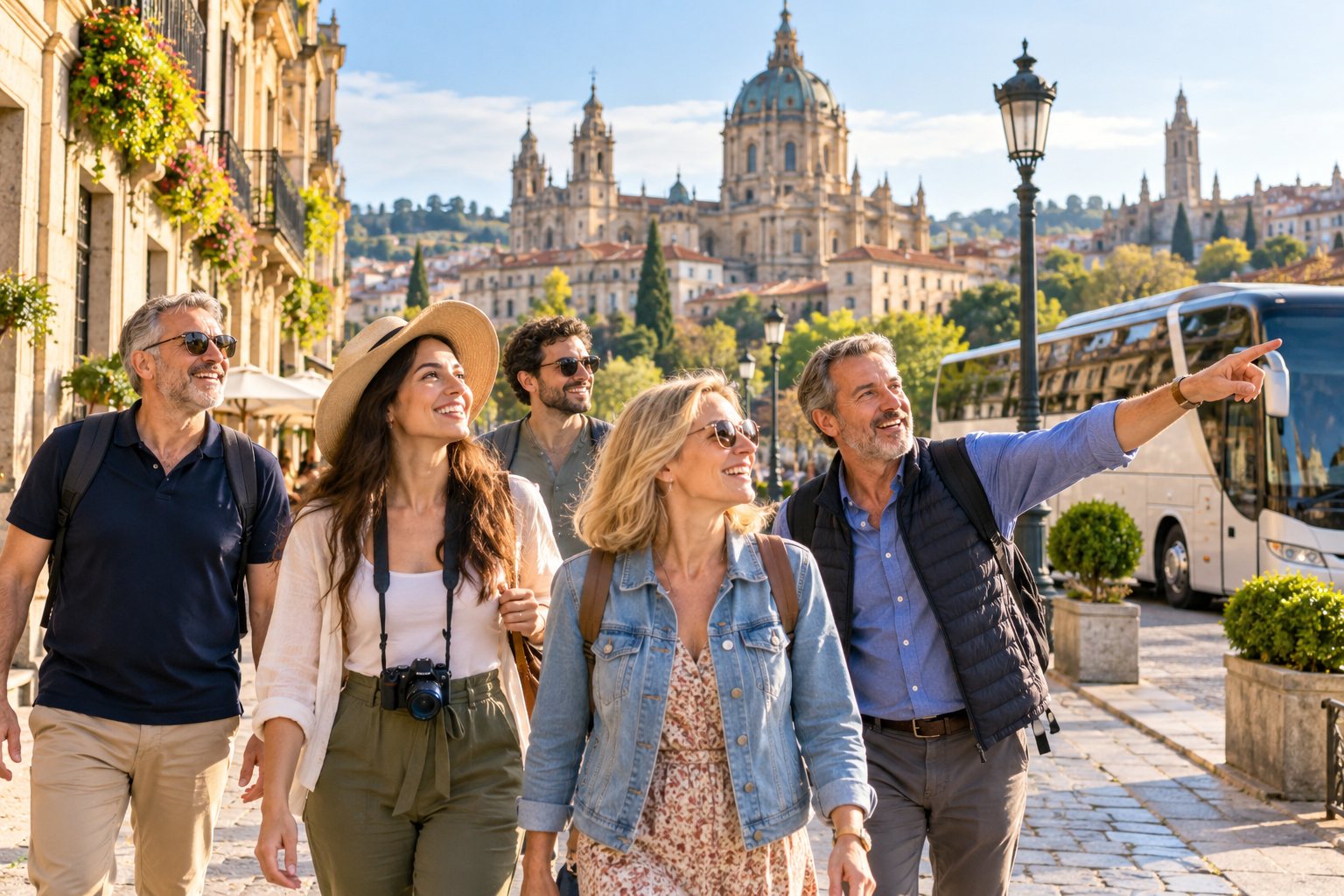
Barcelona City Tour
- ⏱4 hours
- 🧭Private driver
- 👥Private tour for 1–350 people
- 📍Barcelona, Spain
Your guide: Abdellah
Montserrat with private driver: 6 hours at your own pace
- ⏱6 hours
- 🧭Private driver
- 👥Private tour for 1–50 people
- 📍Barcelona, Spain
Barcelona's private guides are on the Barcelona private guides page, and the Barcelona destination guide covers where to stay. Not sure a listed guide is right for you? Here is how to vet a local tour guide in ten minutes.
Want a local to design the day?
Tell partners in Lisbon or Barcelona your dates, party, pace and budget. Offers arrive within 48 hours; nothing is charged until you accept one and pay.
Name Your Price →Frequently asked questions
Which is cheaper, Barcelona or Lisbon?
Lisbon, in general. Hotels, restaurant meals, coffee, public transport and taxis typically cost less in Lisbon than in Barcelona, though the gap has narrowed in the last few years as Lisbon has become popular. Private guides and tours cost roughly the same in both cities, because a licensed guide's day is worth about the same in either country.
How many days do I need in each city?
Three full days is comfortable for either city on a first visit, plus one day for a day trip (Sintra from Lisbon, Montserrat from Barcelona). With five or six days you can add Porto from Lisbon or Girona and the Costa Brava from Barcelona.
Is Sintra or Montserrat the better day trip?
They are different days. Sintra is a cool, wooded hill town of palaces and gardens about 40 minutes from Lisbon, best with a guide and a vehicle because the sights are spread out and the roads are narrow. Montserrat is a jagged mountain and a working monastery about an hour from Barcelona, reached by train and rack railway or cable car, better for walkers and for anyone who wants a view. If you dislike crowds, go early to either.
Which city is better with children?
Both work well. Barcelona has a city beach, Park Güell, the aquarium and Tibidabo. Lisbon has the Oceanário, the trams and funiculars, Belém, and the beaches at Cascais and Costa da Caparica a short ride away. Lisbon's hills are the main practical difference with a stroller; a private guide with a vehicle solves it.
Can I do both in one trip?
Yes, and many people do. Flights between the two cities take under two hours; there is no fast train. Give each city at least three nights or you will spend the week packing.
More travel tips
Questions about a tour or a request? Email [email protected] or call 1-877-YES-DADDY (toll-free USA & Canada) or +1 786-454-3666.