A walking tour of the Alfama, a day with a driver-guide to Montserrat, four hours with an art historian in the Prado: all of these are delivered by one person or a very small company. The question is only how you reach them. You can go through a large marketplace, which lists tens of thousands of products and takes a cut of each, or you can book with the guide directly through a smaller platform that was built around the guide rather than around the catalog. The tour may look identical on the page. The experience of buying it, and of changing it, is not.
Who sets the price, and who keeps it
On a large marketplace the operator uploads a price and the marketplace keeps a commission that, in our experience and in what operators say publicly, typically falls in the 20–30% range. Nobody is hiding this; it is the business model, and it pays for a huge amount of advertising that puts the listing in front of you. But it has two effects on a small operator. First, many guides raise their marketplace price to absorb the commission, so the "same" tour can cost more there than on the guide's own channels. Second, the money usually reaches the guide only after the tour has run, often weeks later, which is hard on someone who has to pay for a vehicle, entrance tickets or a second guide up front.
When you book directly, the guide decides what the day is worth and keeps most of it. On TravelDaddy the partner sets the price you see, our fee is built into that price rather than added at checkout, and the partner receives their full net amount before the tour, on a payment schedule they set themselves. That is why some tours here are cheaper than the marketplace version and some are the same price with a guide who is simply better paid. Either is a better deal than it looks.
Who you actually talk to
On a marketplace, your pre-booking question goes into a message system the operator may check between tours, and the person answering is sometimes a reseller's reservations desk rather than the guide. If something goes wrong, you deal with customer service that has never met your guide.
Direct booking shortens the chain. On TravelDaddy you reserve for free, the guide confirms within 24 hours, and the moment you have paid you get their name and direct phone number, and they get yours. Before payment, messages go through the platform so both sides have a record. After it, you text the guide about where to meet. The platform is still there if you need an arbiter, but the ordinary conversation is between you and the person who will spend the day with you.
What happens when plans change
Plans change on almost every trip: a flight lands late, someone is ill, the weather turns, a cruise ship docks two hours behind schedule. On a marketplace, each listing carries one cancellation policy, usually picked from a short menu of templates, and a date change is often processed as a cancellation and a new booking. If you are inside the no-refund window, you are inside it.
A private guide you can reach directly tends to behave like a person. If they are free the next morning, they move you to the next morning. If a rainstorm makes the hill towns miserable, they suggest the museum day instead. TravelDaddy does not force a single policy on partners; each one publishes their own cancellation terms and you see them on the booking page before you pay, so you can choose a guide whose terms you are comfortable with. For anything else, message the guide. Most will meet you halfway because their next booking depends on your review.
What a commission does to a small operator
It helps to see the arithmetic from the guide's side. Take a private half-day walk priced at 240 for a couple. On a channel charging 25%, the guide keeps 180. Out of that come the guide's own tax and social contributions, often a professional association fee, public liability insurance, the license renewal, and any tickets or tastings included in the price. A guide who relies on marketplaces for most of their work either accepts a thin margin or quietly raises the price. Some do both, and some stop offering the longer, more interesting days because the margin on them is worst.
None of this makes marketplaces bad; for a last-minute group walk at a fixed time they are often the right tool. But when you are buying a private day, the guide's margin is your experience: it decides whether they bring a car or meet you at a metro exit, and whether they are still doing this next year.
Marketplace vs. direct booking at a glance
| Large marketplace | Booking directly (TravelDaddy) | |
|---|---|---|
| Who sets the price | The operator, usually padded for a 20–30% commission | The partner; the price you see is the price |
| Who you talk to | A message system; often a reseller or office | Messages before payment; the guide's direct phone after |
| Who runs the tour | Not always clear until the day | A named person, shown by first name and photo |
| Cancellation terms | One template per listing | The partner's own terms, shown before you pay |
| Reviews | Open to anyone with an account, in most cases | Only travelers who booked and paid can review |
| Something not listed | Search again | Name Your Price: local partners send offers within 48 h |
| Best for | Fixed-time group tours, last-minute tickets | Private days, custom routes, longer itineraries |
What to look for before you book anyone
Whichever route you take, the same five checks apply.
- A license you can verify. In Spain, guides are accredited by the region they work in; in Portugal, guide-interpreters hold a national professional card. A company should have a tourism registration. Ask for the number if it is not shown.
- A real person on the listing. A first name, a face, a short bio in their own words. Stock photos and "our expert guides" are a sign you are buying from a reseller.
- Written cancellation terms on the page, before payment, not in a PDF after.
- Payment through a platform or an invoice, never a transfer to a personal account or a request to "settle in cash on the day" for a tour you booked online.
- Reviews that could only have been written by a customer. Specific dates, specific details, and a platform that only lets paying customers post.
Our guide to vetting a local tour guide expands every one of these, including the red flags that should end the conversation.
How booking works on TravelDaddy
There are two ways in, and both end with a licensed local person who has been approved by our team one by one, never automatically.
1. Book a listed tour at a fixed price
Browse day tours or private guides, pick a date the guide is actually free (the calendar is theirs, not a guess), and reserve. Reserving costs nothing. The guide confirms within 24 hours, you pay by card, and the contact details are exchanged. The cancellation terms you agreed to are the partner's own, shown before you paid. After the tour you are invited to leave a review; only travelers who booked through TravelDaddy can.
2. Name Your Price
If you want something that is not listed, or you want a local to design the day, tell us the trip and your budget. Local partners in that destination see the request and send offers within 48 hours; you are emailed as each one arrives, compare them side by side, accept the one you like and pay. Nothing is charged until that point, and you can let a request lapse with no obligation. We wrote a separate piece on when Name Your Price beats a traditional travel agent, and when it does not.
Private tours you can book now in Portugal
 ★ Founding partner
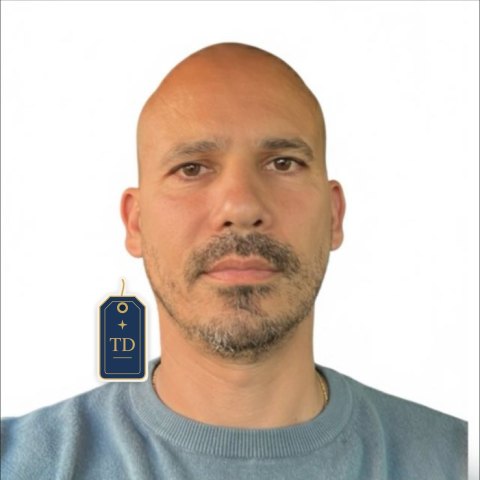 Your guide: Bruno
Private Day Trip to Porto from Lisbon
- ⏱10 hours
- 🧭Private driver
- 👥Private tour for 1–7 people
- 📍Porto, Portugal
 ★ Founding partner TDRun by a local partner
Sintra & Belém in One Day – Private Tour from Lisbon
- ⏱8 hours
- 👥Private tour for 1–12 people
- 📍Lisbon, Portugal
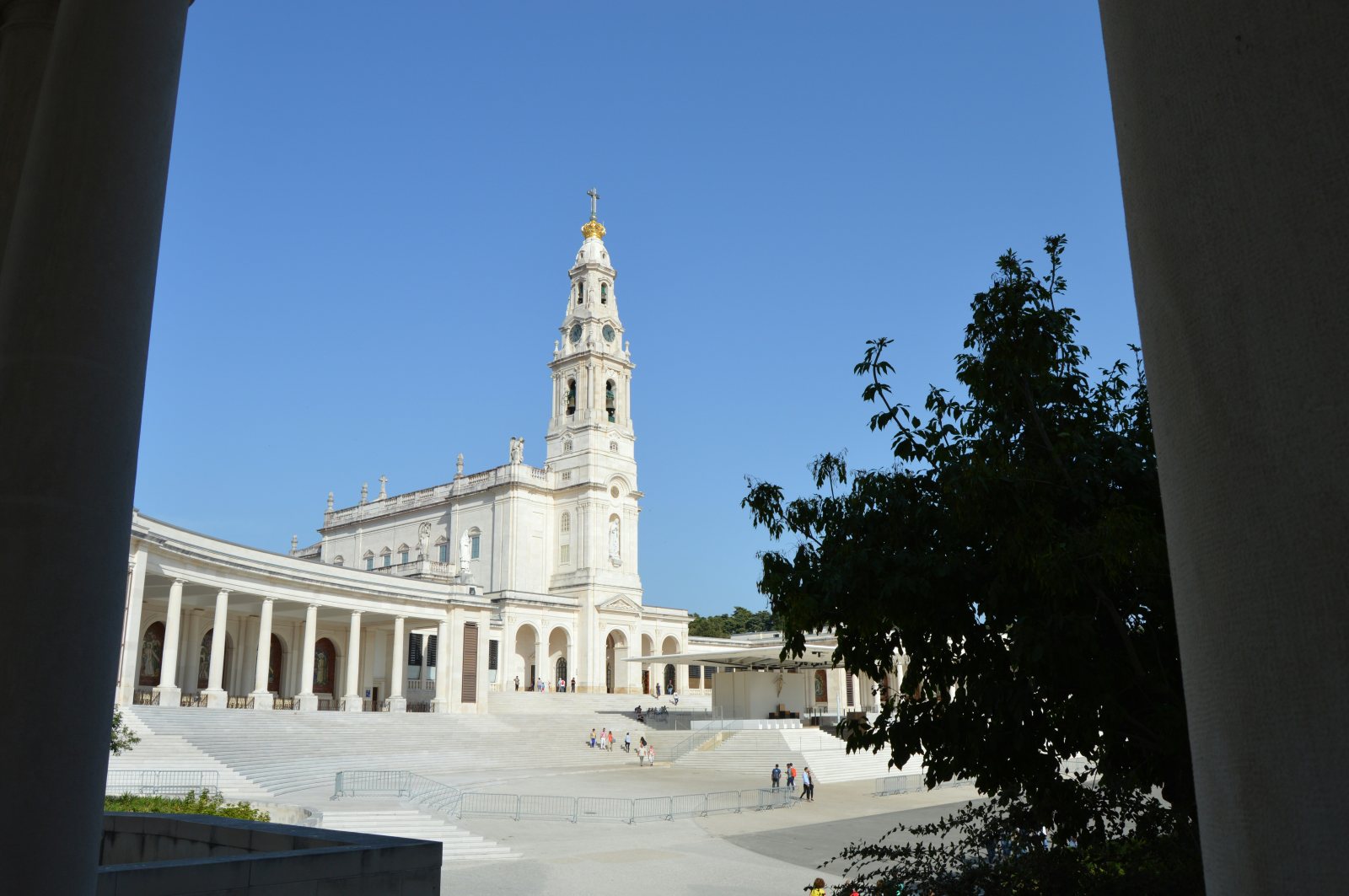 ★ Founding partner TDRun by a local partner
Fátima, Nazaré & Óbidos – Private Full-Day Tour from Lisbon
- ⏱8 hours
- 👥Private tour for 1–14 people
- 📍Lisbon, Portugal
Private tours you can book now in Spain
 ★ Founding partner
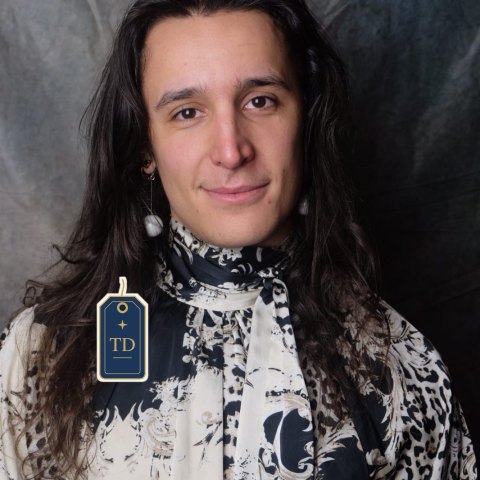 Your guide: Nevis
Art and Gastronomy of Madrid
- ⏱8 hours
- 👥Private tour for 1–10 people
- 📍Madrid, Spain
 ★ Founding partner
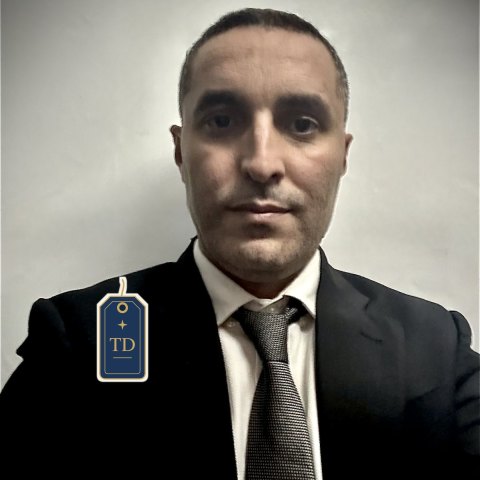 Your guide: Abdellah
Barcelona City Tour
- ⏱4 hours
- 🧭Private driver
- 👥Private tour for 1–350 people
- 📍Barcelona, Spain
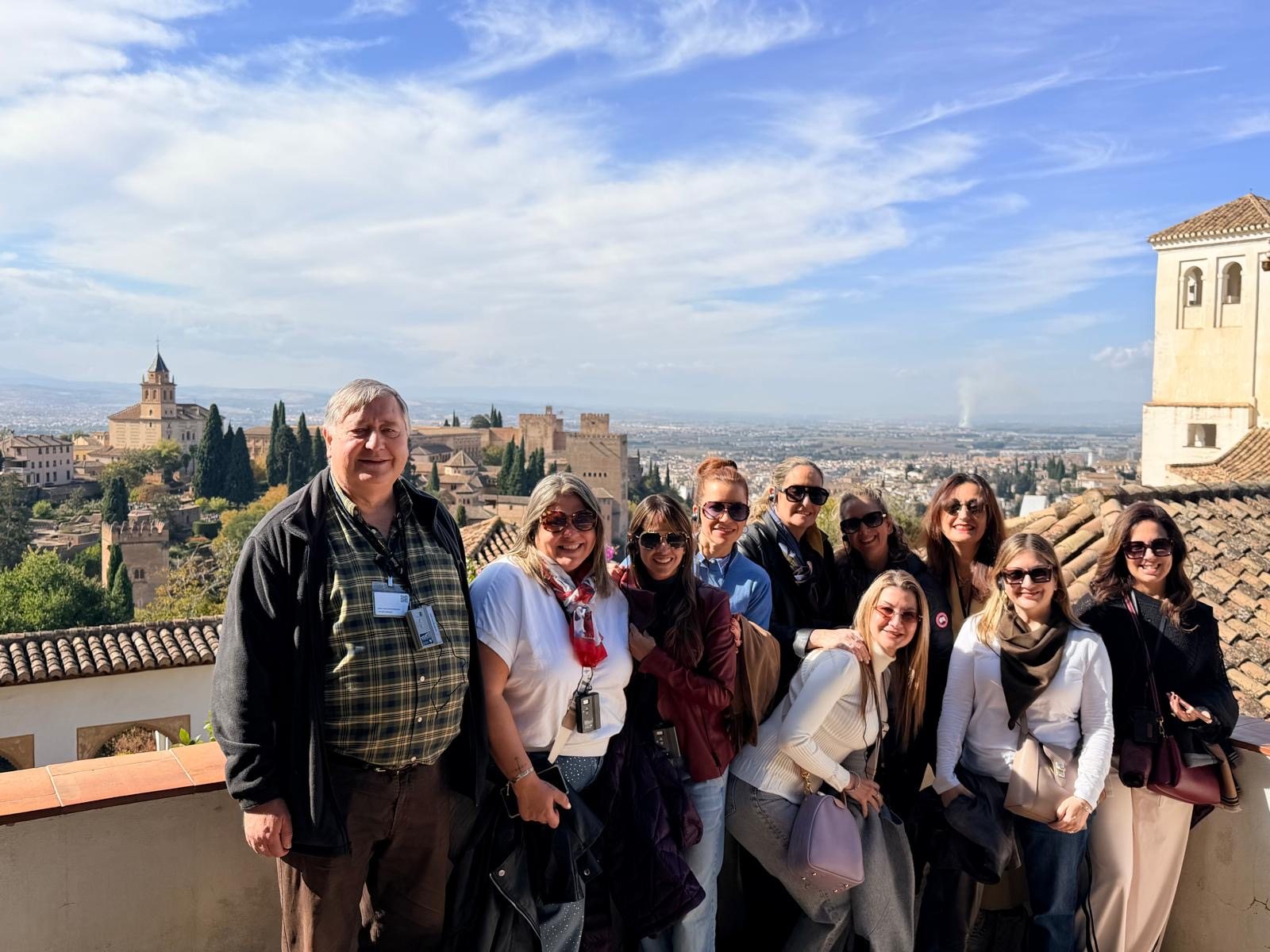 ★ Founding partner HYour guide: Harry
The heart of Granada. The Christian and Islamic heritages
- ⏱1.5 hours
- 🚶Walking
- 👥Small group for 1–8 people
- 📍Granada, Spain
A fair word about the alternatives
For a two-hour group walk at a fixed time, a marketplace listing with hundreds of reviews is a sensible choice, and ToursByLocals-style platforms that specialize in private guides have done a great deal to make direct booking normal. What we do differently: the guide's real calendar instead of a "check availability" button, each partner's own cancellation terms, reviews from paying customers only, and a way to ask for a day no one has listed yet. Deciding where to start? Read Barcelona or Lisbon for a first visit.
Prefer to name your price?
Tell local partners your dates, party, pace and budget. Offers arrive within 48 hours; nothing is charged until you accept one and pay.
Name Your Price →Frequently asked questions
Is it cheaper to book a tour directly with a local guide?
Often, but not always. When a guide sells through a large marketplace, the marketplace keeps a commission that is commonly in the 20–30% range, and many guides raise their list price to absorb it. Booking directly, the guide keeps more of the same price or can charge less. On TravelDaddy the partner sets the price you see; there is no booking fee added at checkout.
What is the difference between a private tour and a small-group tour?
A private tour is only your party, so the route, start time and pace are yours to set. A small-group tour has a fixed route and a fixed start time and you share the guide with other travelers, usually at a lower price per person. Most tours on TravelDaddy are private, priced for the party rather than per seat.
How do I know a guide is really licensed?
Ask for the license or registration number and which authority issued it. In Spain guides are registered by region; in Portugal guide-interpreters hold a national professional card. TravelDaddy asks for the license or company registration when a partner applies, and a person reviews it before the partner goes live. Our guide to vetting a local tour guide goes into detail.
What happens if I need to cancel or change the date?
Each partner on TravelDaddy sets their own cancellation terms, and you see them on the booking page before you pay. For a date change, message the guide through the booking; private tours are usually easy to move when the guide is free. Large marketplaces apply one policy per listing, often chosen from a few templates.
When do I get the guide's phone number?
As soon as your booking is paid. Until then, messages go through TravelDaddy so both sides have a record. After payment you get the guide's name and direct contact and they get yours, which is what you want on the morning of the tour.
Can I ask for something that is not listed?
Yes. Use Name Your Price: describe the day you want and your budget, and local partners send offers within 48 hours. Nothing is charged until you accept an offer and pay.
More travel tips
Questions about a tour or a request? Email [email protected] or call 1-877-YES-DADDY (toll-free USA & Canada) or +1 786-454-3666.